

Some things don’t yield to ordinary approaches. This is for those things.
MDMA-Assisted Therapy for PTSD · Psilocybin-Assisted Therapy for Treatment-Resistant Depression
Sydney & Online · Legal, clinically supervised treatment in Australia
Psychedelic and MDMA Therapy: The Research
Australia was the first country in the world to legalise MDMA and psilocybin for therapeutic use. Since July 2023, these treatments have been legally available — delivered in clinical settings, under the supervision of trained multidisciplinary teams, for people with PTSD and treatment-resistant depression.
The research is significant.
For people with PTSD who had not received sufficient clinical improvement from three or more conventional treatments, clinical studies show that 60–70% experienced a long-term reduction in symptoms from MDMA-assisted therapy, with benefits lasting up to 12 months.
For people with treatment-resistant depression, psilocybin-assisted therapy has demonstrated significant reductions in depressive symptoms, with benefits lasting 6–12 months beyond the treatment itself.
This is not a first resort. It is a carefully supervised, evidence-based option for people for whom conventional approaches have not been sufficient.
I was amongst the first psychologists to deliver these treatments to the general public — across assessment, preparation, medicine sessions, and integration.
IS THIS TREATMENT AVAILABLE TO YOU?
While there has been much excitement and optimism in the media about these treatments, they are not approved for everyone. Strict regulations and safeguards remain in place, and unfortunately not everyone who would like this treatment, or believes they would benefit from it, will fulfil the current criteria.
Clinical Exclusion Criteria
The following are absolute exclusions. This treatment is not available to you if you have:
• A personal history of a psychotic episode
• A personal history of a manic episode
• A first-degree family member — parent, sibling, or child — with a diagnosis of schizophrenia, schizoaffective disorder, or a psychotic disorder
• A first-degree family member with a diagnosis of Bipolar I disorder
• A current active substance use disorder
MEDICATIONS
If you are currently taking SSRIs or certain other medications that affect serotonin, you will need to have been free of those medications for a minimum of 4–8 weeks before a medicine session can take place. For some people, coming off these medications is not clinically advisable — and if that is your situation, this treatment may not be available to you at this time.
SUITABILITY
In addition to the exclusion criteria outlined above, there are a number of more nuanced and subtle factors related to individual presentation — and the way each diagnosis manifests for each person — that may mean these medicines are not the right option. These cannot be reduced to a checklist.
For example, some people with dissociation may not do well with these treatments, while others with dissociation may. Some people with long-term treatment-resistant presentations may also be living with a personality disorder they have not been diagnosed with, or may not be aware of. These are the kinds of factors that require careful clinical judgment rather than a simple yes or no.
For this reason, everyone who wishes to explore this treatment will complete at least one or two assessment sessions with me, as well as a separate psychiatric assessment. These assessments matter — not as administrative steps, but because for the right person this treatment can be genuinely transformative, and for someone who is not a good candidate at this time, the experience itself can be very difficult and may make things harder. Suitability is determined through a thorough clinical assessment process.
WHAT’S INVOLVED
*
WHAT’S INVOLVED *
Assessment
The process begins with a thorough initial consultation with me — a genuine clinical conversation about your history, your presentation, and whether this treatment is likely to be right for you. From there, I refer you to a prescribing psychiatrist, who conducts their own independent assessment. Your GP will also be brought in for a medical review.
This is not a tick-box process. It is careful, considered, and unhurried — because getting the foundation right matters more than moving quickly.
Once you complete the assessment process, it is up to a Human Research Ethics Committee to review the application out forward by the authorised prescriber psychiatrist for final approval.
Preparation
Before any medicine session takes place, we work together in a minimum of three preparation sessions. This is where we build the therapeutic relationship, establish safety, explore what you’re hoping this process might make possible, and equip you with the grounding and regulation strategies you’ll draw on during the medicine sessions themselves. One of these sessions will also involve meeting the second therapist — ensuring you feel genuine therapeutic alignment with both of us before any medicine session takes place.
Preparation is not a formality. For many people, it’s where some of the most important work begins.

The Medicine Sessions
There are three medicine sessions in total, each conducted in person at a licensed clinical facility. They are spaced a minimum of four weeks apart. You will not be alone — each session is held with two trained therapists present, alongside medical supervision throughout.
You will need a trusted support person to accompany you to and from each session.
Assessment, preparation, and integration can all be done via telehealth. The medicine sessions are in-person only.
Integration
What happens after the medicine sessions is as important as the sessions themselves. Integration therapy is where you make sense of what arose, anchor the insights, and begin to carry them into your daily life. This is often where the most significant shifts become visible. Following each medicine day, a minimum of three integration sessions are held with your primary therapist.
Many people continue working with me beyond the medicine sessions — and that is entirely normal. Each person moves through this process differently, and the pace is adjusted accordingly.
The full process typically spans three to six months, and involves 40 or more hours of therapy in total.
COST
At present, this treatment can only be delivered in authorised clinical facilities, under the supervision of an authorised psychedelic prescriber. Because of this — and because these treatments are not currently covered under Medicare or private health insurance — the total cost generally ranges from $28,000 to $40,000, depending on the provider. This reflects the full scope of what is involved: 40 or more hours of psychotherapy, two to three psychiatrist reviews, supervision by two trained therapists across each medicine session, and use of a licensed facility for every dosing day.
In exceptional circumstances, the Department of Veterans’ Affairs has indicated it will cover this treatment for veterans in specific situations. If you are currently receiving treatment through workers compensation, Victims Services, or CTP, your treatment may in exceptional circumstances be funded by your insurer — though this will be determined on a case by case basis. All such enquiries must be done by you in consultation with your current treating team, prior to committing to this treatment.
Medibank Private, a health insurer, has indicated they will also cover the cost of this treatment for some of their members. Fo up to date information please contact Medibank Private.
THE EXPERIENCE ITSELF
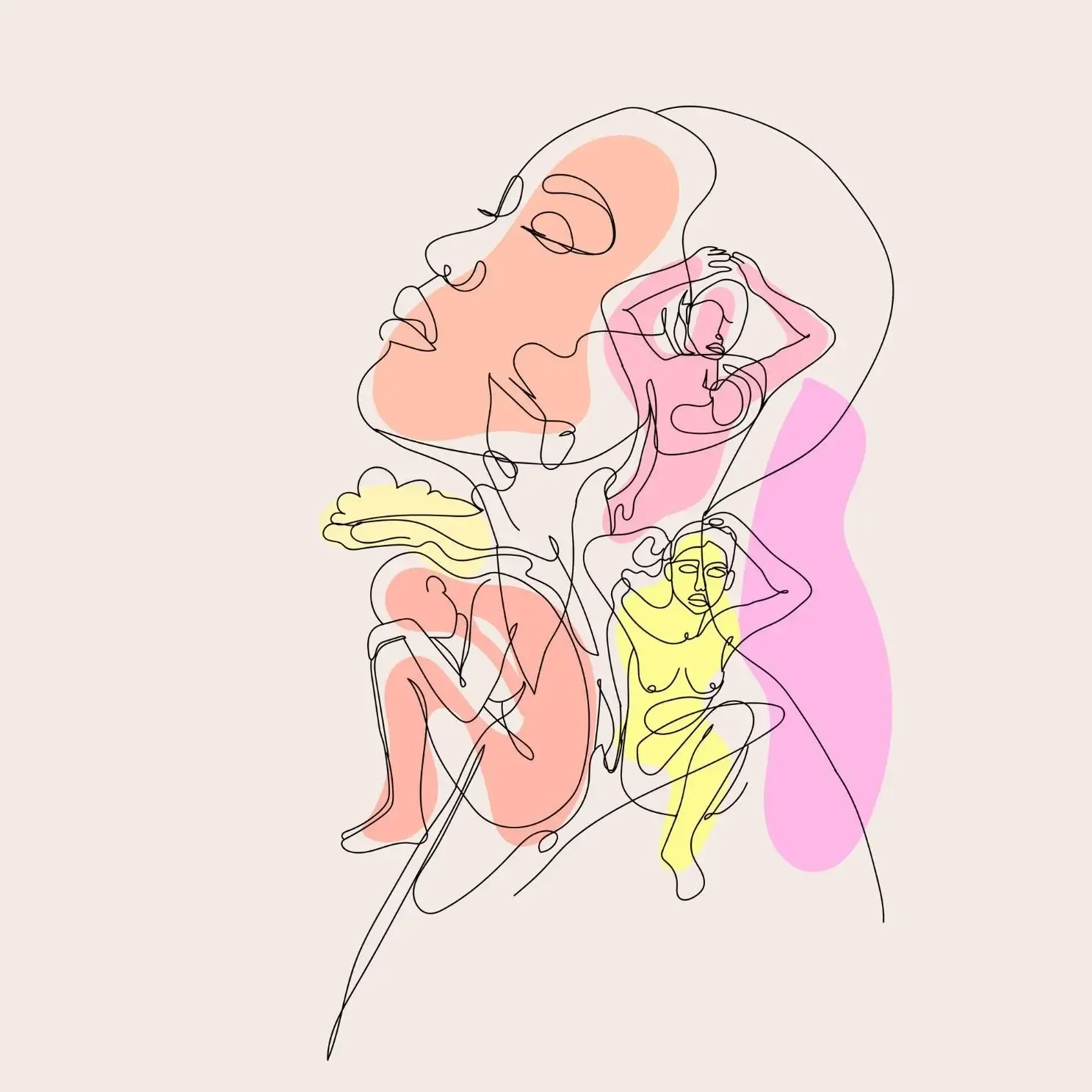
A medicine session is not a passive experience. It is an active, inward journey — typically lasting several hours — during which the medicine works to create a state of heightened openness and psychological accessibility that ordinary consciousness does not easily allow.
For some people the experience is largely positive — a sense of clarity, connection, or profound calm. For others, difficult emotions or memories surface. Sometimes both happen within the same session. What arises is not random — it tends to reflect what most needs attention. The assessment and preparation process is designed precisely to ensure you are as ready as possible for whatever the experience brings.
You will not be alone. Two trained therapists are present throughout, and the session is held within a licensed clinical setting with medical support available. Your only role on the day is to be present and to trust the process.
If you’ve read this far, you’re probably someone for whom conventional approaches haven’t been enough. This treatment was designed for exactly that situation.
The first step is an initial consultation. There is no commitment beyond that conversation. We’ll look carefully at your history, your presentation, and whether this treatment is genuinely the right path for you. If it is, we’ll map out what the process looks like. If it isn’t, we’ll talk about what might be.
You don’t need to arrive with certainty. You just need to arrive.
If you satisfy the initial criteria, book a consultation to determine your suitability
fees apply
For information about fees, locations, referrals and other frequent questions