
No Parts Left Behind
Ending the War Within
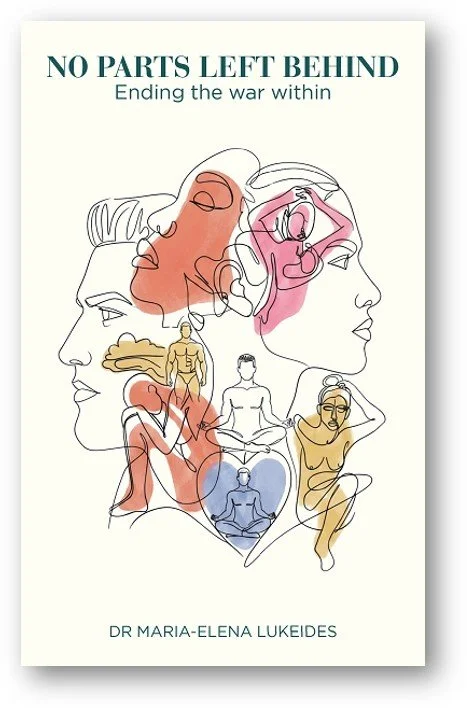
No Parts Left Behind
Ending the War Within
What if the parts of yourself you've spent years trying to change, control or silence aren't actually the problem?
No Parts Left Behind offers a different way of understanding our inner world, drawing on psychology, neuroscience, mindfulness and self-compassion to explore what happens when we stop fighting ourselves and begin to relate differently to the parts we find difficult.
What if you stopped fighting yourself?
Most of us have parts of ourselves we would rather not feel. We may be anxious when we want to be calm, self-critical when we want to feel confident, angry when we want to be compassionate, or frightened when we desperately want to feel in control. We often respond by trying to change, suppress or get rid of these experiences, believing that if we could just become a better version of ourselves, we would finally feel okay.
But what if these parts of us aren't the enemy?
No Parts Left Behind explores a different way of understanding our inner world. Drawing on psychology, neuroscience, mindfulness and self-compassion, Dr Maria-Elena Lukeides invites us to consider what might happen when, instead of fighting the parts of ourselves we find difficult, we become curious about them and learn to relate to them differently.
This doesn't mean approving of everything we think or do, or simply giving in to difficult emotions. It means learning to acknowledge what is here without making an enemy of ourselves.
Because perhaps we don't need to leave any part of ourselves behind in order to change.

This is, therefore, at its core, a book about love. Not the love that arrives with conditions attached — not the love that requires you to be calmer, more sorted, more consistent, more acceptable to yourself before it is offered.
-Dr Maria-Elena Lukeides
No Parts Left Behind explores how our relationship with difficult thoughts, emotions and parts of ourselves can influence the way we experience anxiety, self-criticism, shame and internal conflict. Drawing on psychology, neuroscience, mindfulness and self-compassion, the book offers a different perspective on emotional healing: rather than trying to eliminate the parts of ourselves we find difficult, we can learn to understand and relate to them differently.

Understand your inner world
Explore why we can experience such conflicting thoughts, emotions and impulses, and why some parts of ourselves can feel so difficult to accept.

Meet yourself with compassion
Discover how changing the way you relate to difficult emotions and unwanted parts of yourself can soften the struggle without abandoning responsibility or change.

Stop fighting what you feel
Learn why our attempts to control, suppress or avoid uncomfortable inner experiences can sometimes keep us caught in the very patterns we want to escape.

Choose how you want to live
Create greater space between what you experience internally and how you respond, so you can make choices guided by what matters to you rather than by whichever part of you is loudest in the moment.
Why I wrote this book
*
Why I wrote this book *
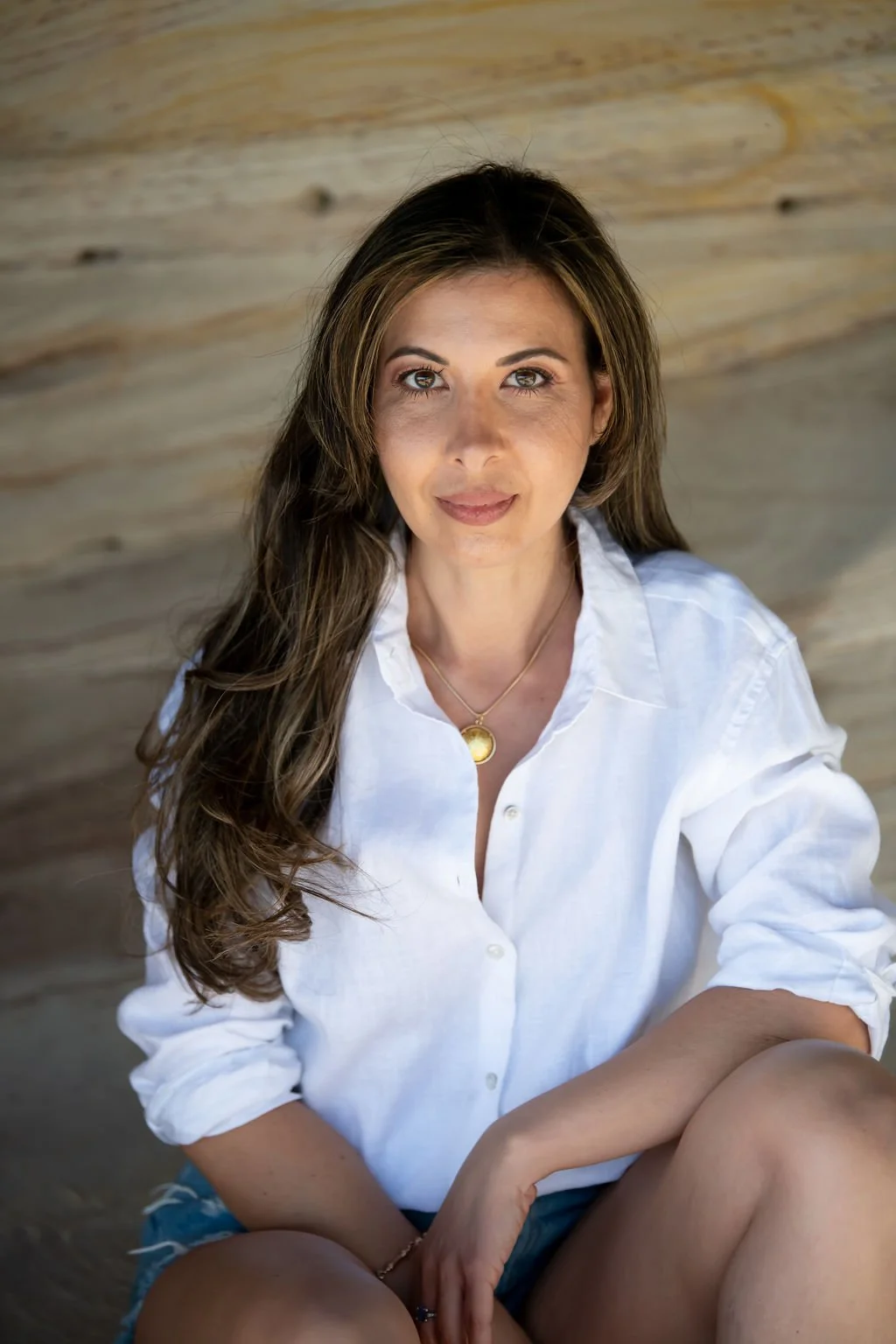
Over the years, so many of my patients, and so many of the people who have completed my Foundations of Mindfulness course, have asked me to put what I teach into a book. They wanted something they could return to — something that brought together the ideas, practices and understandings we had explored together.
Eventually, I realised that I wanted to write that book too. But perhaps more than that, I wanted to write the book I wish I could have had myself. The book I hope will sit on a shelf and be reached for when life feels difficult, confusing or overwhelming. And, ultimately, the book I hope that one day my daughter will reach for when she needs it — a book that reminds her that she is not broken, that every part of her belongs, and that she never needs to leave any part of herself behind.
If you would like to explore these ideas more deeply, you can find information about my Foundations of Mindfulness course under the Courses section of this website. If the next course is not currently open for enrolment, you can register your interest by joining the waiting list, and I will let you know when the next course becomes available.
Dr Maria-Elena Lukeides
FAQs
-
No Parts Left Behind – Ending the War Within is a book about changing our relationship with the parts of ourselves we find difficult — the anxious, ashamed, angry, overwhelmed, self-critical or fearful parts. Drawing on mindfulness, neuroscience, ACT, Compassion Focused Therapy and Internal Family Systems, the book explores what becomes possible when we stop trying to eliminate or control these parts and instead learn to understand, accept and relate to them differently.
-
It is for anyone who has ever thought, Why do I keep doing this when I know I don't want to? or Why can't I just stop feeling this way? It is for anyone who has tried to change themselves by fighting, suppressing or judging the parts they don't like — and is ready to consider a different approach.
-
Mindfulness is one of the foundations of the book, but No Parts Left Behind goes beyond mindfulness as a practice of paying attention to the present moment. It explores how mindfulness can change our relationship with our thoughts, feelings and the different parts of ourselves — creating the space to respond rather than simply react.
-
f you’ve tried meditation or mindfulness before and thought, “I just can’t do this,” you are certainly not alone. Often, the problem isn’t that you can’t meditate or that mindfulness doesn’t work for you. It may be that you were taught mindfulness as something you were supposed to do right — to quiet your mind, stop thinking, relax, or feel better.
This book takes a different approach. Mindfulness is not about getting rid of thoughts or difficult feelings. It is about learning to be with what is already here, with greater awareness and less judgement. And importantly, it is about changing your relationship with the parts of yourself that you may have been trying to control, silence or get rid of.
You don't need to have a quiet mind to practise mindfulness. You don't need to be good at meditation. And you don't need to make difficult feelings disappear. The practice begins exactly where you are.
-
It draws on psychological science and therapeutic approaches, but it is written for a general audience rather than as a clinical textbook. The ideas come from both the research and my experience working with people in the therapy room over many years.
-
Not at all. The book is designed to be accessible whether you are completely new to mindfulness or already have an established practice. The ideas are explained from the ground up, with practical exercises to help you explore them in your own life.
-
No. The book is written for anyone who has ever felt at war with themselves — whether that shows up as anxiety, self-criticism, shame, perfectionism, emotional overwhelm, difficult relationships or simply the sense that there are parts of yourself you wish you could change. You don't need a diagnosis to benefit from the ideas and practices in the book.
-
No. Acceptance is not approval, resignation or giving in. It is the willingness to acknowledge honestly what is present without continuing the internal struggle against it. You can understand and accept a part of yourself while still choosing how you want to behave and what direction you want your life to take.